Welcome to Our Company
 Send Email
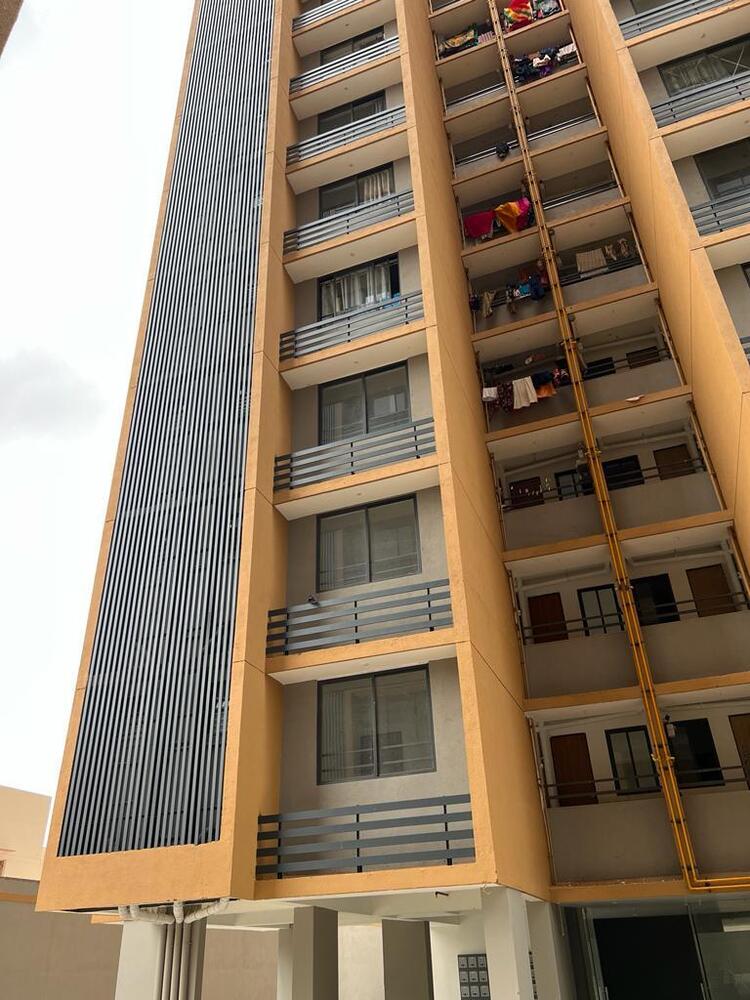
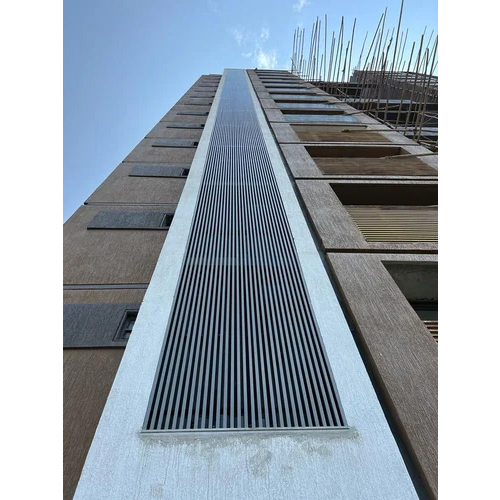
Horizontal And Vertical Metal Cladding system
150 INR/Square Foot
Product Details:
- Product Type DUCT COVER
- Material GI/ALU.
- Usage exterior
- Size 10 FT
- Color CUSTOMISED
- Capacity 7 TO 8 Ton/day
- Feature WATERPROOF
- Click to View more
X
Horizontal And Vertical Metal Cladding system Price And Quantity
- 100.00 - 300.00 INR/Square Foot
- 5000 Square Foot
- 150 INR/Square Foot
Horizontal And Vertical Metal Cladding system Product Specifications
- exterior
- GI/ALU.
- WATERPROOF
- 7 TO 8 Ton/day
- CUSTOMISED
- 10 FT
- DUCT COVER
Horizontal And Vertical Metal Cladding system Trade Information
- Ahmedabad
- 1000 Square Foot Per Day
- 15 Days
- Yes
- Free samples are available
- Box Packing
Product Description
Horizontal Metal Cladding- Appearance: Horizontal cladding typically uses long, horizontal metal panels that are aligned across the building facade. This can create a sense of width and expansiveness. It's often associated with a more modern or industrial aesthetic.
- Materials: Common metals include aluminum, steel, zinc, and copper. These materials are chosen for their durability and resistance to the elements.
- Installation: Horizontal cladding is often installed with overlapping panels, allowing for a secure and weather-tight connection. It can also be arranged with gaps or joints, creating a distinctive linear pattern.
- Benefits:
- Enhances the horizontal lines of the building.
- Can make the building appear larger or more expansive.
- Effective for contemporary or minimalist designs.
- Appearance: Vertical cladding uses vertical metal panels that extend upward along the building. This can emphasize the height of a structure and is often used to create a more dynamic, modern look.
- Materials: Similar to horizontal cladding, vertical metal cladding can be made from a variety of metals, including aluminum, steel, and more.
- Installation: Vertical panels are typically installed from top to bottom with overlapping edges or joints to prevent water ingress. Vertical lines create an impression of height and can be used creatively to alter the perception of a building’s proportions.
- Benefits:
- Emphasizes verticality, making buildings appear taller.
- Adds a sense of sophistication or modernity to the design.
- Often used in residential, commercial, and mixed-use buildings for a striking visual effect.
- Aesthetic Impact: Horizontal cladding is typically used to create a sense of width, while vertical cladding enhances the height and vertical lines of the structure.
- Visual Balance: The orientation of the panels can influence the overall visual balance of a building. Horizontal lines can soften the building’s appearance, while vertical lines often give a more dramatic, tall effect.
- Suitability: Horizontal cladding is well-suited for single-story buildings, low-rise structures, or when you want to broaden the visual appearance. Vertical cladding is often used for multi-story buildings or when you wish to emphasize height.
Other Products in 'Exterior Louvers' category

Vindsil Metal Ceiling
GST : 24AAYFV5405A1Z6
Contact Details

- B-307, Ganesh Glory-11, Near BSNL Office- Jagatpur,Ahmedabad - 382470, Gujarat, India
- Phone : View Number

- Mr Nayan Patel (Proprietor)
- Mobile : View Number
-
 Send Inquiry
 Send Inquiry
 Send Inquiry
 Send SMS
Vindsil Metal Ceiling
All Rights Reserved.(Terms of Use)
Developed and Managed by Infocom Network Private Limited.
Developed and Managed by Infocom Network Private Limited.